
Stair work may occupy a small part of a remodeling plan, yet it can create an outsized scheduling problem. Unfinished stair treads must often be sanded, stained, sealed, and protected after installation. Each step adds labor, drying time, dust control, and coordination with other trades. For flooring dealers, remodelers, stair installers, and homebuilders, choosing prefinished hardwood components can make the stair portion of a project easier to plan while providing clients with a clear picture of the expected result.
Why Can Site-Finished Stairs Delay a Project?
Finishing a staircase on the property involves more than applying stain and topcoat. The work commonly includes:
- Sanding and cleaning every tread
- Containing dust around nearby rooms
- Preparing and approving stain samples
- Applying stain and multiple protective coats
- Waiting for each coat to dry
- Restricting stair access during curing
- Protecting the finish from other trades
Temperature, humidity, and airflow may affect drying times. If another trade creates dust or marks a newly coated surface, repairs can add further delays. These concerns become harder to manage in occupied homes, where the staircase may be the only route between floors.
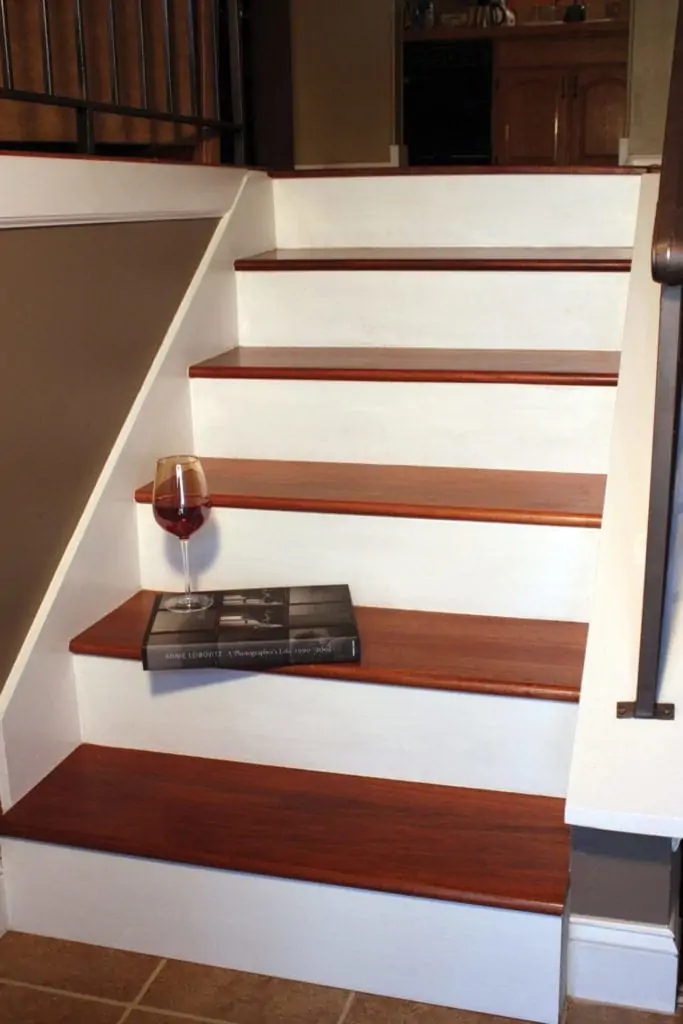
Prefinished treads move much of this work away from the property. Installation still requires accurate measuring, cutting, fastening, and protection, but contractors can plan around fitting the components rather than several coating and curing periods.
How Do Prefinished Treads Support Scheduling?
Factory-finished components can make labor and access requirements easier to predict. Their main scheduling benefits include:
- Fewer on-site stages: Sanding, staining, and coating are completed before delivery.
- Less drying time: Crews do not need to wait between several finish coats at the property.
- Faster stair access: The household or other trades face fewer extended access restrictions.
- Simpler trade coordination: Painters, electricians, and flooring crews are less likely to interfere with wet finishes.
- Lower repair risk: Dust, footprints, and accidental contact are less likely to spoil a curing surface.
These benefits can be particularly useful for renovations with fixed completion dates, retail work with short closure periods, and model homes scheduled for photography or buyer visits.
Why Does Finish Consistency Matter?
A staircase draws the eye because every tread repeats the same form. Small differences in stain color or sheen can become noticeable when several steps are viewed together. On-site results may vary because of wood absorption, sanding technique, application method, lighting, or conditions within the home.
Prefinished products allow project teams to review samples before installation. This gives each professional a clear role:
- Flooring dealers can compare the tread finish with nearby hardwood flooring.
- Designers can consider the stairs alongside railings, cabinetry, wall colors, and natural light.
- Contractors can document the approved selection before ordering materials.
- Homebuilders can maintain a consistent finish direction across several interior areas.
Natural wood will always show grain and color variation, which is part of its character. The goal is not to make every board look identical. It is to establish an acceptable color range and sheen before installation, reducing last-minute disagreements about what the finished staircase should look like.
What Should Professionals Confirm Before Ordering?
Prefinished does not mean installation decisions can be postponed. Accurate specifications remain essential. Before ordering, the dealer, installer, or builder should confirm:
- Tread width, depth, and thickness
- Open or closed stair configuration
- Left, right, or double returns where required
- Wood species and grade
- Nosing profile and projection
- Finish color and sheen
- Riser material and color
- Landing treatment and flooring transitions
- Quantity, including sensible allowance for field conditions
Existing stairs also need to be checked for squeaks, uneven framing, damage, and code-related concerns. A finished tread should not be treated as a remedy for structural problems. Substrate repairs and any required inspections belong in the plan before finish carpentry begins.
When Might Site Finishing Be the Better Choice?
Prefinished treads are not the answer for every project. Site finishing may be preferable when:
- A custom stain must be developed against existing flooring
- Surrounding woodwork has aged and is difficult to match
- The stairs require extensive field fabrication
- A restoration calls for methods that reflect the original construction
- Unusual site conditions require finish decisions after installation
The choice should reflect project conditions rather than habit. Teams should compare finish requirements, access restrictions, schedule risk, available labor, and the amount of field adjustment expected. Reviewing these points during estimating can prevent a rushed decision after installation begins.
Plan the Stair Package Before Work Begins
Prefinished hardwood treads can help flooring and building professionals reduce on-site finishing stages, set expectations earlier, and coordinate work around a busy staircase. The strongest results still depend on accurate measurements, suitable product specifications, proper installation, and careful protection after fitting. To review hardwood tread options for an upcoming residential or trade project, visit Wood Stair Co and speak with the team about the requirements of your staircase.