
A well-decorated room feels balanced, comfortable, and welcoming. While furniture, lighting, and wall colors establish the foundation, greenery can bring the entire space together. Adding a fake floor plant is a practical way to introduce natural-looking beauty without worrying about watering, sunlight, or regular plant care. From cozy living rooms to professionally staged properties, artificial greenery can make spaces feel more complete and visually appealing.
Whether you’re refreshing your home or preparing a property for potential buyers, thoughtful plant placement can make a noticeable difference.
1. Fill Empty Corners with Tall Artificial Plants
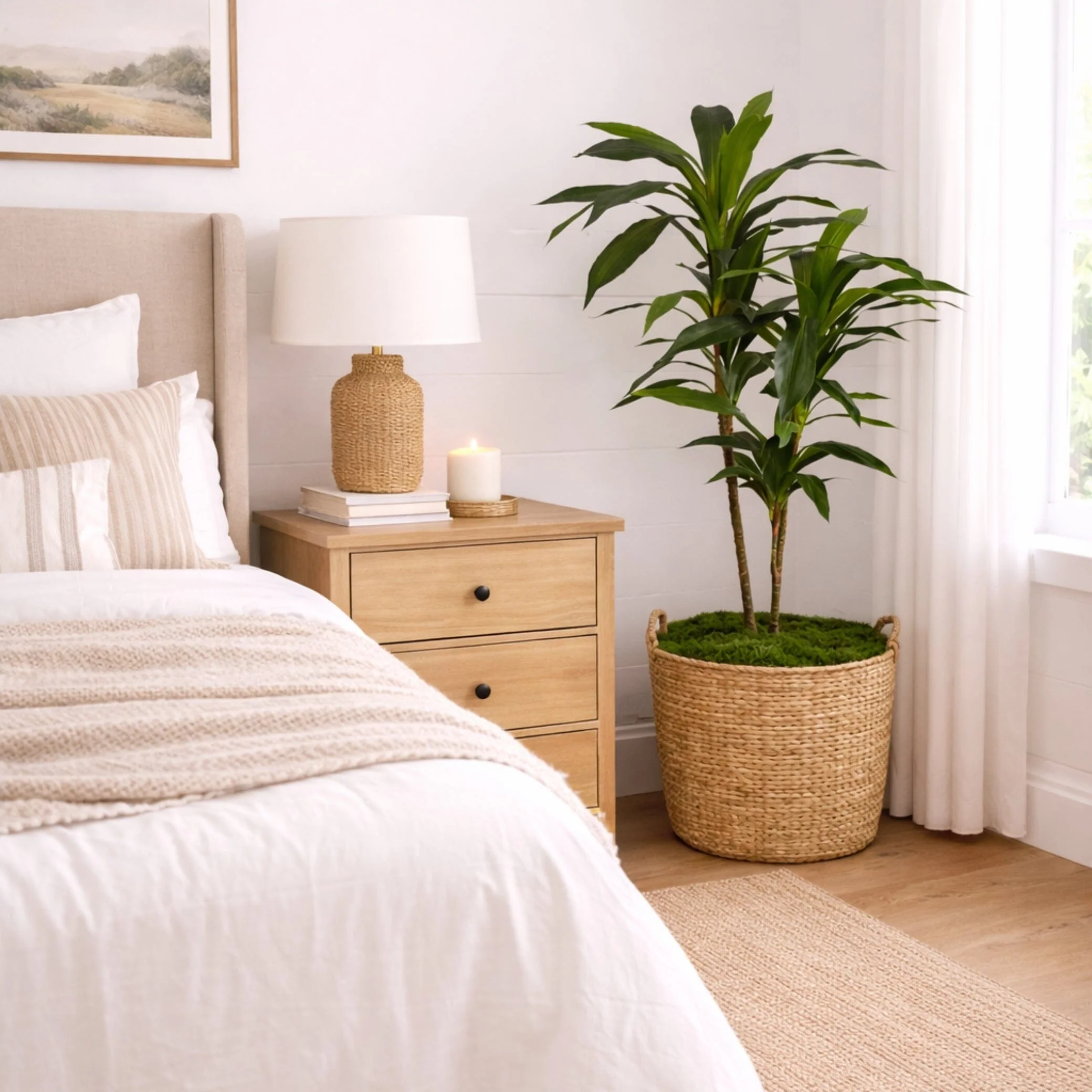
Empty corners can make an otherwise furnished room appear unfinished. A tall artificial plant fills these spaces while adding height, texture, and color.
Consider placing a faux olive tree beside a sofa or a fiddle leaf fig near a reading chair. These plants introduce a softer visual element that balances straight furniture lines and bare walls.
For the best results:
- Choose a plant height that complements the surrounding furniture.
- Leave enough room for the foliage to spread naturally.
- Use a decorative planter that matches your interior color scheme.
Avoid overcrowding the corner. One properly sized plant often creates a more attractive arrangement than several smaller decorative pieces.
2. Create a Welcoming Living Room
The living room is where family members gather and guests spend time. Adding greenery can make this shared space feel warmer without requiring a major decorating project.
Large artificial monstera plants work particularly well in contemporary interiors. Their broad leaves create visual interest alongside neutral sofas, wooden coffee tables, and textured rugs.
For a more understated appearance, consider an artificial olive tree. Its delicate branches and muted foliage complement minimalist, farmhouse, and transitional decorating styles.
Position plants near natural light when possible. Although artificial greenery does not require sunlight, daylight can help its leaves and branches appear more lifelike.
3. Make Small Spaces Feel More Balanced
Small apartments and compact rooms benefit from decorative elements that add personality without taking up valuable floor space.
Instead of selecting a wide, bushy plant, choose an artificial tree with a narrow profile. Place it beside a bookshelf, near a window, or at the end of a hallway.
Vertical greenery draws attention upward, emphasizing room height while leaving most of the floor available for everyday activities.
A few thoughtful choices can make a difference:
- Select slim planters for narrow areas.
- Keep foliage clear of doors and walkways.
- Pair greenery with simple furniture and light-colored accessories.
The goal is to create visual interest while preserving a comfortable, open layout.
4. Use Artificial Greenery for Home Staging
For realtors and home staging professionals, presentation plays an important role in helping potential buyers imagine themselves living in a property.
Artificial floor plants offer a convenient decorative option because they maintain a consistent appearance throughout photography sessions, open houses, and property showings.
A tall faux tree can soften an empty living room corner, while artificial foliage near an entryway can create a welcoming first impression.
When staging a property, focus on placement rather than quantity. Too many plants can distract buyers from the home’s architectural details.
Choose greenery that complements the property’s overall design, and avoid arrangements that block windows, doorways, or important room features.
Because artificial plants can be moved between locations, they are also practical accessories for professionals working with multiple properties.
5. Match Plant Styles with Interior Decor
Different artificial plants create different visual effects. Choosing the right variety helps establish a consistent decorating style.
Modern interiors: Artificial monstera plants and sculptural greenery pair well with clean lines, neutral colors, and contemporary furniture.
Farmhouse interiors: Faux olive trees complement woven baskets, natural wood finishes, and warm color palettes.
Traditional interiors: Artificial boxwood topiaries provide a structured appearance that works well near entryways and formal seating areas.
Minimalist interiors: A single tall artificial tree in a simple ceramic planter provides greenery without adding excessive decorative detail.
Consider the planter as carefully as the plant itself. Woven baskets introduce warmth, while ceramic and cement containers create a more structured appearance.
6. Keep Artificial Plants Looking Their Best
Although artificial greenery requires less attention than living plants, occasional care helps maintain its appearance.
Dust leaves gently with a microfiber cloth or soft brush. Check the manufacturer’s cleaning recommendations before using water or cleaning products.
Reposition branches when necessary to maintain a natural shape. Avoid placing plants close to heating vents, and check whether the materials are suitable for areas receiving prolonged direct sunlight.
Quality also matters. Look for realistic leaf textures, natural color variations, and branches arranged in believable proportions.
With thoughtful selection and basic maintenance, artificial plants can remain attractive decorative features for years.
Bring Lasting Greenery into Your Space
Creating a welcoming interior does not always require expensive furniture or major renovations. Sometimes, adding greenery in the right location is enough to make a room feel more polished and inviting.
Whether you’re decorating your living room, furnishing an apartment, or preparing a home for sale, artificial floor plants provide a flexible way to introduce natural-looking texture and color.
Explore the realistic artificial plants and decorative greenery available from Fake Flowers to find pieces that complement your space. Discover attractive options for everyday decorating, home staging, and creating interiors that leave a lasting impression.