
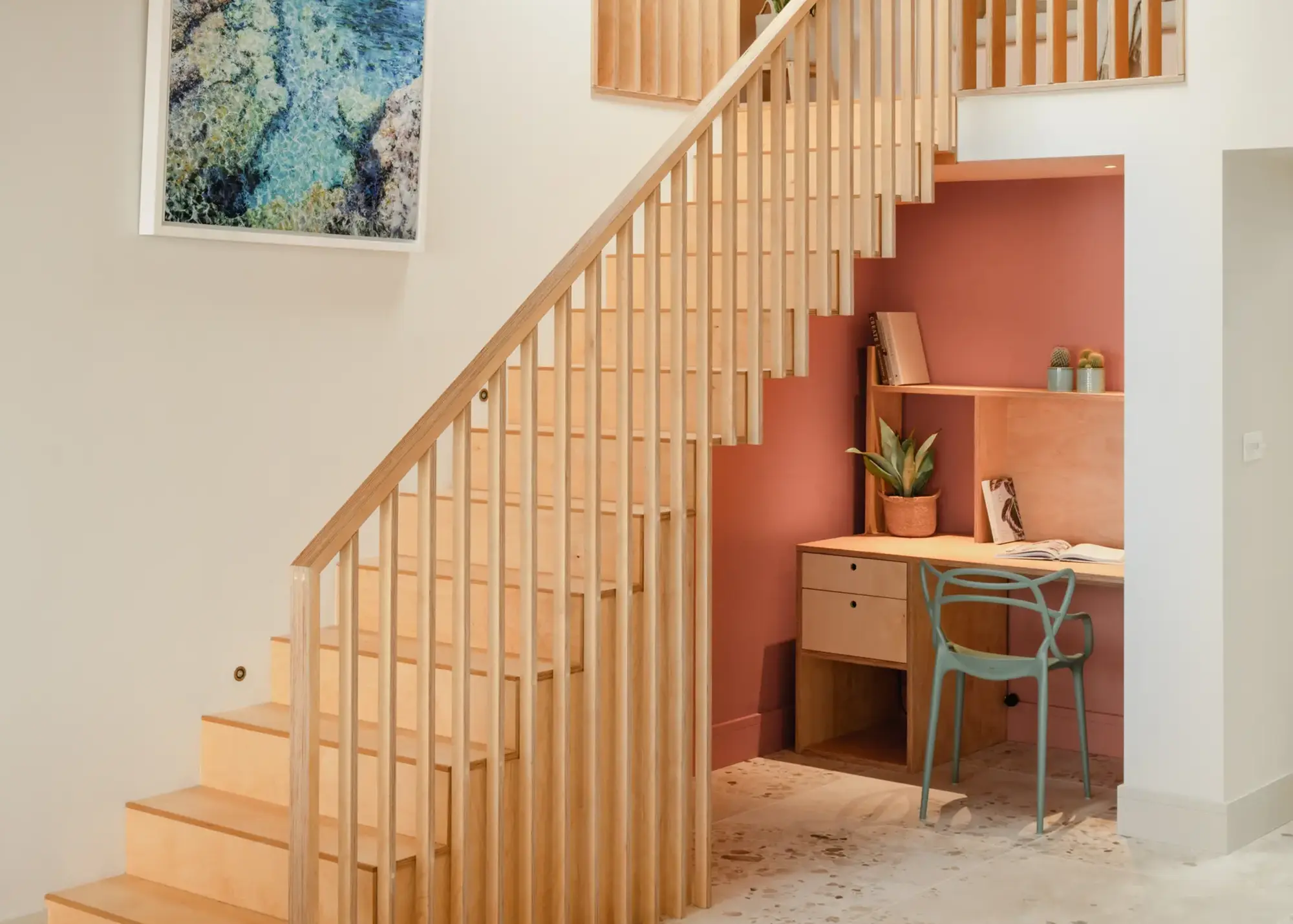
A staircase is often one of the most noticeable architectural features inside a home. While flooring, wall colors, and decorative elements influence interior design, the staircase railing also contributes to the property’s overall appearance. Choosing quality wood stair handrails allows homeowners, builders, and remodeling contractors to create a staircase that combines visual appeal with everyday functionality. From classic oak railings to clean-lined contemporary profiles, wood offers design flexibility that works across various residential styles.
The Architectural Importance of Wood Stair Handrails
Handrails serve an essential safety function, but they also help define the architectural character of a staircase.
A traditional staircase with decorative newel posts and detailed wooden rails can reinforce the appearance of a Colonial or Craftsman-style home. In contrast, a contemporary staircase with straight profiles and simple balusters creates a cleaner visual presentation.
For interior designers and homebuilders, selecting the railing style early in a project helps maintain consistency between the staircase and surrounding architectural details.
Wood also introduces natural textures that complement hardwood flooring, cabinetry, doors, and interior trim.
Choosing the Right Wood Species
The species selected for a handrail affects its appearance, grain pattern, staining characteristics, and overall compatibility with other staircase components.
Red Oak
Red oak features noticeable grain patterns and warm natural undertones. Its versatility makes it suitable for traditional residential staircases and projects involving existing oak flooring.
It also accepts various stain colors, allowing contractors to coordinate railings with nearby hardwood surfaces.
White Oak
White oak offers a balanced natural appearance with distinctive grain characteristics.
Its neutral coloring works particularly well with contemporary, farmhouse, and transitional interior designs.
Clear finishes can emphasize the wood’s natural appearance, while unfinished products allow for additional finishing choices.
Maple
Maple has a fine, relatively subtle grain pattern that complements interiors favoring lighter wood tones.
Its smooth appearance makes it an attractive option for certain contemporary and traditional applications.
When selecting materials, professionals should confirm species availability for the required profile and fittings.
Traditional vs. Contemporary Handrail Profiles
The shape of a handrail influences both its appearance and how comfortably it can be gripped.
Different profiles are suitable for different architectural applications.
Traditional Handrail Profiles
Traditional designs typically incorporate rounded surfaces and decorative contours.
For example, the 6010 Colonial profile is commonly associated with classic residential staircase designs.
Larger traditional profiles, such as the 6210, can provide a more substantial visual presence.
These designs often pair well with turned newel posts and decorative wood balusters.
Contemporary Handrail Profiles
Contemporary designs generally feature simpler shapes and cleaner lines.
Profiles such as the LJ-6000 and LJ-6002 suit staircases that emphasize straightforward architectural details.
Modern T-shaped designs can also complement square newel posts and selected metal or wood balusters.
However, contractors must verify that the chosen profile meets applicable handrail graspability requirements.
Coordinating Handrails With Other Staircase Components
A successful railing installation requires careful coordination between multiple components.
Handrails should complement the selected newel posts, balusters, stair treads, and risers.
For example, natural oak rails paired with matching hardwood stair treads can create a consistent appearance.
Alternatively, stained hardwood rails combined with white risers and painted balusters provide a contrasting design.
Before ordering, professionals should consider:
- Wood species and grain characteristics.
- Stain colors and finish sheen.
- Newel post dimensions and designs.
- Baluster materials and attachment methods.
- Handrail fittings and required transitions.
Selecting compatible components early can prevent unnecessary changes during installation.
Prefinished vs. Unfinished Wood Handrails
Finishing choices influence project scheduling and the final appearance of the staircase.
Prefinished handrails are coated before delivery, reducing finishing activities at the installation site.
This can be particularly helpful for occupied-home renovations where minimizing sanding dust and finishing odors is important.
Unfinished handrails allow contractors to apply custom stains and coatings when matching existing hardwood flooring or woodwork.
For coordinated staircase projects, professionals should review physical finish samples before selecting materials.
Upgrading Stair Railings During Home Renovations
Replacing outdated railings can refresh a staircase without necessarily requiring complete stair reconstruction.
However, the feasibility of retaining existing components depends on their condition, structural connections, and compatibility with the new railing system.
Contractors should inspect newel posts, supporting surfaces, and attachment locations before planning replacements.
Important considerations include:
- Measuring railing runs accurately.
- Checking required handrail height.
- Confirming structural support and fastening methods.
- Selecting compatible fittings and balusters.
- Reviewing applicable local building codes.
For wall-mounted handrails, contractors should also consider bracket placement and the required clearance between the rail and wall.
Proper preparation helps avoid problems that could affect safety or appearance.
Maintaining the Appearance of Wood Handrails
Hardwood handrails require routine care to preserve their finish and appearance.
Regular cleaning with a soft cloth helps remove dust and accumulated oils from frequent hand contact.
Homeowners should avoid harsh cleaning chemicals and excessive moisture that may damage the protective coating.
Minor surface scratches may be addressed using finish-compatible repair methods, depending on the product.
For larger repairs or refinishing work, following manufacturer recommendations helps protect the wood and its existing coating.
Conclusion
Wood handrails contribute to the appearance, comfort, and functionality of residential staircases. With suitable wood species, profiles, finishes, and coordinating components, builders and designers can create railing systems that complement the home’s architectural character.
For flooring dealers, remodeling contractors, homebuilders, and interior designers planning staircase construction or renovation projects, Wood Stair Co offers hardwood handrails in traditional and contemporary profiles, along with stair treads, balusters, newel posts, and related staircase components. Explore the available materials and finishes to select the right railing products for your next residential project.