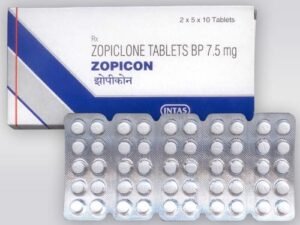




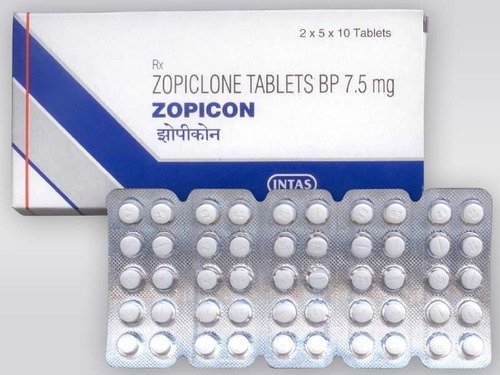
Zopiclone is a short-term prescription sleeping tablet commonly used for insomnia. If you are taking it for the first time, it is normal to feel unsure about what it will do to your body and how it will affect your sleep. This guide explains the typical effects, timeline, and precautions so you know what to realistically expect.
What Zopiclone Does in Your Body
Zopiclone works by calming activity in the brain through a chemical messenger called GABA, which slows down the nervous system and helps you feel sleepy and relaxed. It is designed to help you:
- Fall asleep faster
- Stay asleep longer
- Reduce night-time waking
Medical sources note that it usually begins working within about one hour of taking it.
First-Time Effects You Will Likely Notice
When you take zopiclone for the first time, the effects can feel quite noticeable because your body is not used to it yet.
1. Rapid drowsiness
Most people start feeling sleepy within 20–60 minutes. You may feel:
- Heavy eyelids
- Slowed thinking
- A strong urge to lie down immediately
This is expected and is part of how the medicine is meant to work.
2. Relaxation and mental “quieting”
You may notice:
- Reduced anxiety or mental overthinking
- A calm, sedated feeling
- Difficulty staying alert or focused
Some people describe it as a “switching off” sensation.
3. Metallic or bitter taste
A very common early side effect is:
- A strong metallic or bitter taste in the mouth
- Dry mouth
This can appear shortly after taking the tablet or the next morning.
4. Mild coordination and memory effects
Especially on the first night, you may experience:
- Slight dizziness
- Slower reactions
- Light memory gaps around sleep onset
This is more likely if you stay awake too long after taking it.
What Sleep Feels Like on Zopiclone
Sleep on zopiclone can feel different from natural sleep. Many first-time users report:
- Falling asleep faster than usual
- Deeper sleep in the early hours
- Fewer conscious awakenings
However, sleep may not always feel “refreshing” the next morning, especially the first time.
Next-Day Effects You Might Experience
The morning after your first dose, you may feel:
- Drowsiness or “hangover” tiredness
- Dry mouth
- Slower thinking for a few hours
- Mild headache in some cases
These effects usually improve as your body adjusts or if the dose is appropriate.
Important Safety Points for First-Time Use
Avoid alcohol completely
Combining alcohol with zopiclone can lead to excessive sedation and breathing suppression.
Only take it when you can sleep for 7–8 hours
If you sleep too little after taking it, you are more likely to feel:
- Groggy
- Confused
- Unsteady the next day
Do not take extra doses
Taking more will not improve sleep quality but increases side effects and risk.
Avoid driving the next morning if drowsy
Even if you feel “awake,” reaction times may still be affected.
Emotional and Psychological Effects (First Night Reactions)
First-time users sometimes report unusual experiences such as:
- Feeling slightly detached or “dreamy”
- Mild confusion if staying awake too long after taking it
- Vivid dreams or fragmented sleep awareness
These effects are usually temporary.
How Long You Can Expect to Use It
Zopiclone is typically prescribed for short-term use only (often 2–4 weeks) because:
- The body can build tolerance
- Dependence can develop with longer use
- Natural sleep patterns may become disrupted over time
About Buying Zopiclone Online (Important Warning)
Some people search terms like buy zopiclone uk, but it is important to understand:
- Zopiclone is a prescription-only medicine
- Buying it without medical supervision can be unsafe
- Illegal or unregulated sources may contain incorrect or dangerous ingredients
Always use it only under a qualified healthcare provider’s guidance.
Final Thoughts
Taking zopiclone for the first time usually leads to fast sedation, noticeable drowsiness, and a strong sleep-inducing effect. While it can be very effective for short-term insomnia, it also comes with predictable side effects like metallic taste, next-day tiredness, and mild cognitive slowing.
Used correctly and briefly, it can help reset sleep patterns, but it should always be treated as a short-term medical tool rather than a long-term solution.
